
Scientists Discover Hidden Enzyme Behind Alzheimer’s
Scientists have discovered an enzyme that may trigger Alzheimer’s. Blocking it could reduce toxic tau buildup.
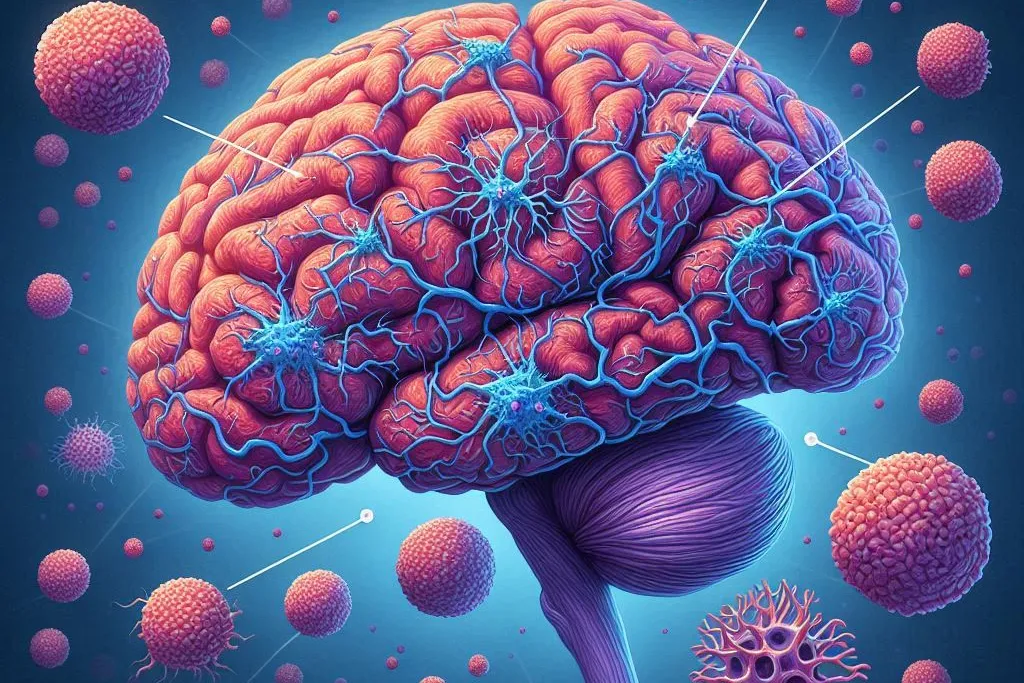
Scientists have discovered an enzyme that may trigger Alzheimer’s. Blocking it could reduce toxic tau buildup.
Discover the best ways to keep the brain sharp! Challenging new activities, hold the key to boosting memory, focus, and cognition.
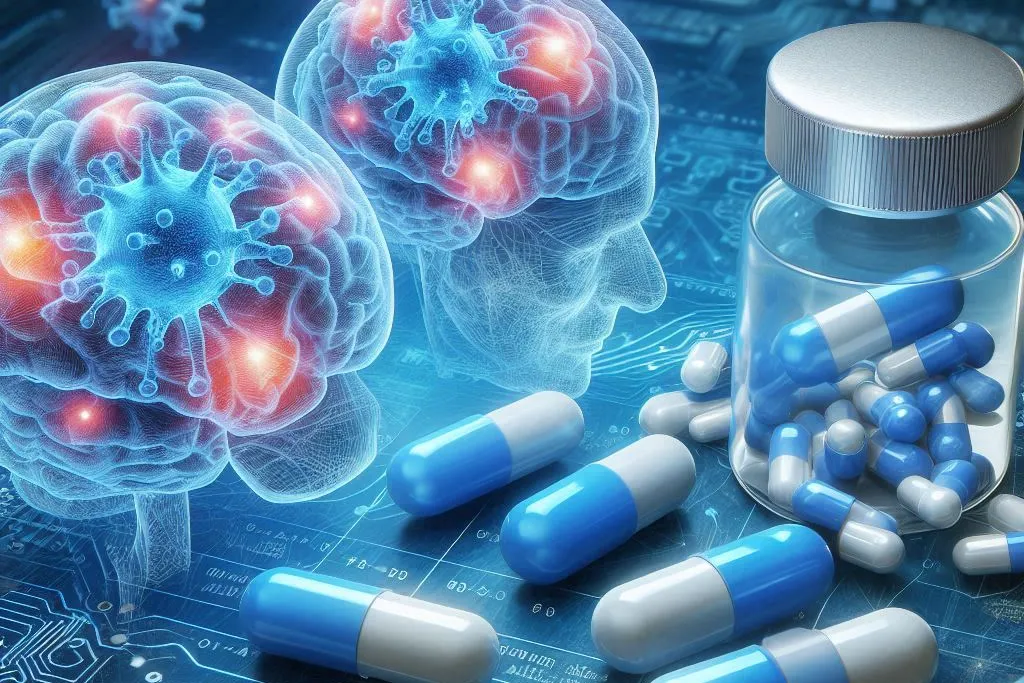
New drugs are linked to slower cognitive decline in Alzheimer’s, suggesting a potential mechanism of benefit for monoclonal antibodies.
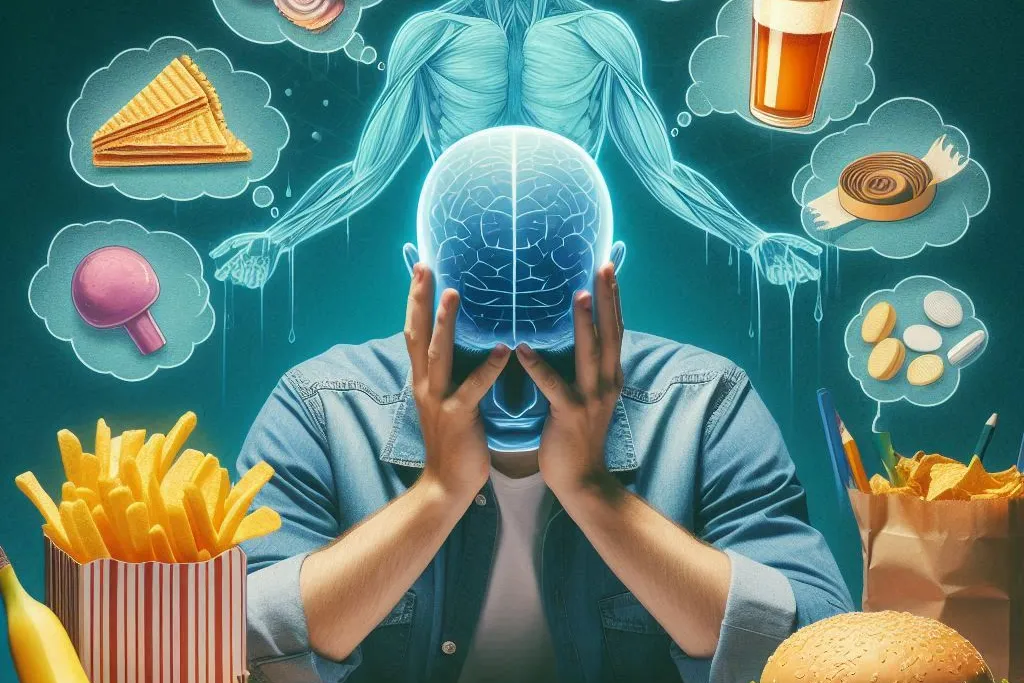
Mental fatigue weakens self-control and amplifies cravings for rewards like junk food and addictive substances.

Regular internet use improves mental health in older adults, reducing depression and enhancing life satisfaction across multiple countries.

A Brain pathway rapidly converts written words into speech, challenging old models of reading and opening doors for dyslexia interventions.

Discover how effective diversity training boosts productivity, reduces harassment, and transforms workplaces, while others miss the mark.

Discover how small, sustainable rules can simplify fitness, improve health, and create success through personal growth.
Discover how everyday melamine sponges release trillions of microplastic fibers monthly, their environmental impact, and ways to minimize this hidden pollution.

Learn how appearance influences perceptions and why skills, competence, and contributions matter most for long-term professional growth.
Discover how rare genetic mutations disrupting leptin, the hormone that regulates hunger, led to insatiable appetite and severe obesity.
Our inner voice is not universal. How the absence of internal monologue influences language processing in the brain.
A study has detected microplastics in blood clots removed during surgeries from arteries in the heart, brain, and deep veins in the legs.

A study reveals that the use of gas stoves increases nitrogen dioxide exposure to levels surpassing public health recommendations.

A facility in Finland has commenced operations, marking the world’s first commercial-scale production of versatile protein derived from air.

It is suggested by some experts that daily showering is influenced more by a “social contract” than by genuine necessity.
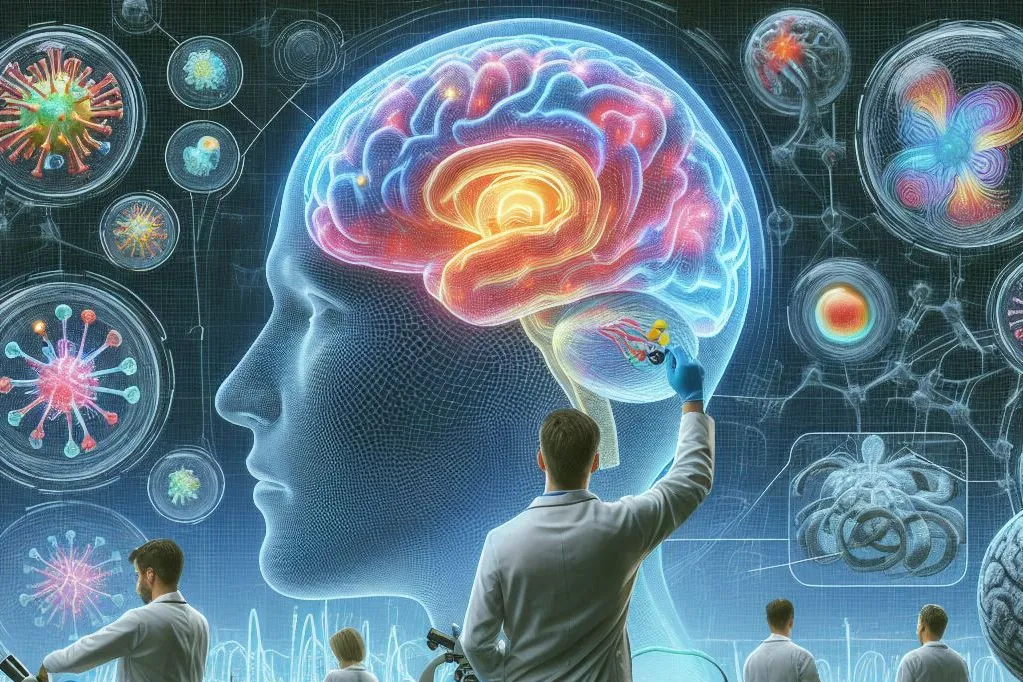
Research identified a brain mechanism through which cocaine and morphine disrupt natural reward processing systems.

Research highlights the ideal frequency of physical activity required to achieve significant health benefits.

The effects of tv viewing on skin tone preferences has been observed in rural Nicaragua. TV encouraged a preference for lighter-skinned faces.

Building muscle has been linked to benefits that extend beyond physical health, potentially offering protection against depression

Awe-inspiring cosmic events increase social connections and profoundly influence psychological well-being.
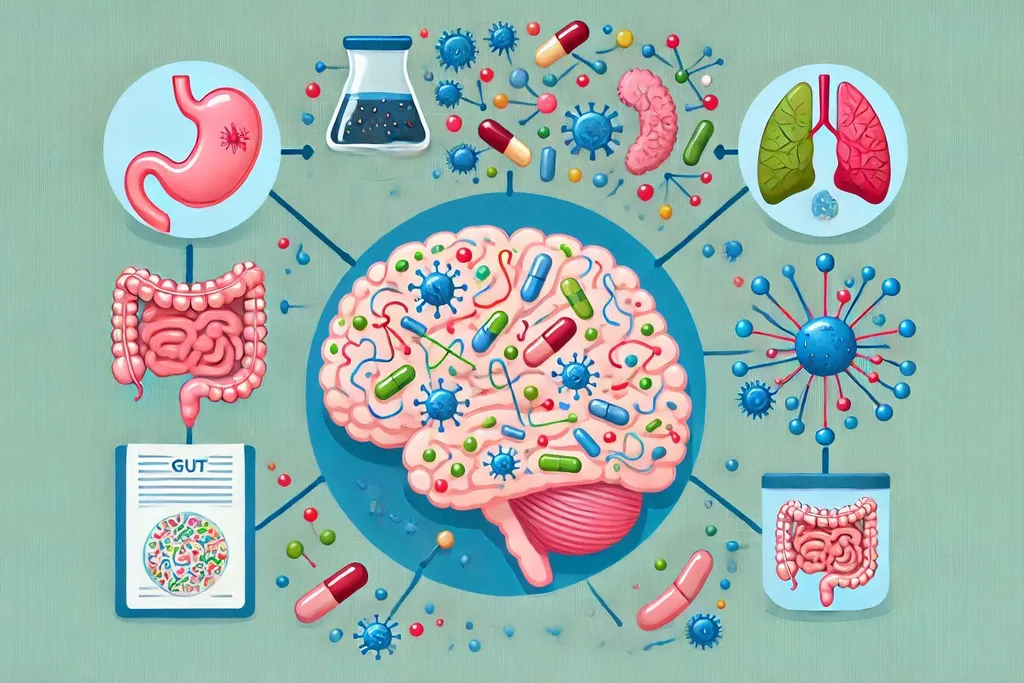
A neuroimaging study has revealed a connection between gut microbiota composition and brain function changes.

Alcohol holds a deeply ingrained place in our culture and traditions. This status creates false beliefs about its safety.

Music’s ability to uplift moods, encourage physical activity, or promote relaxation has potential in medical treatments.
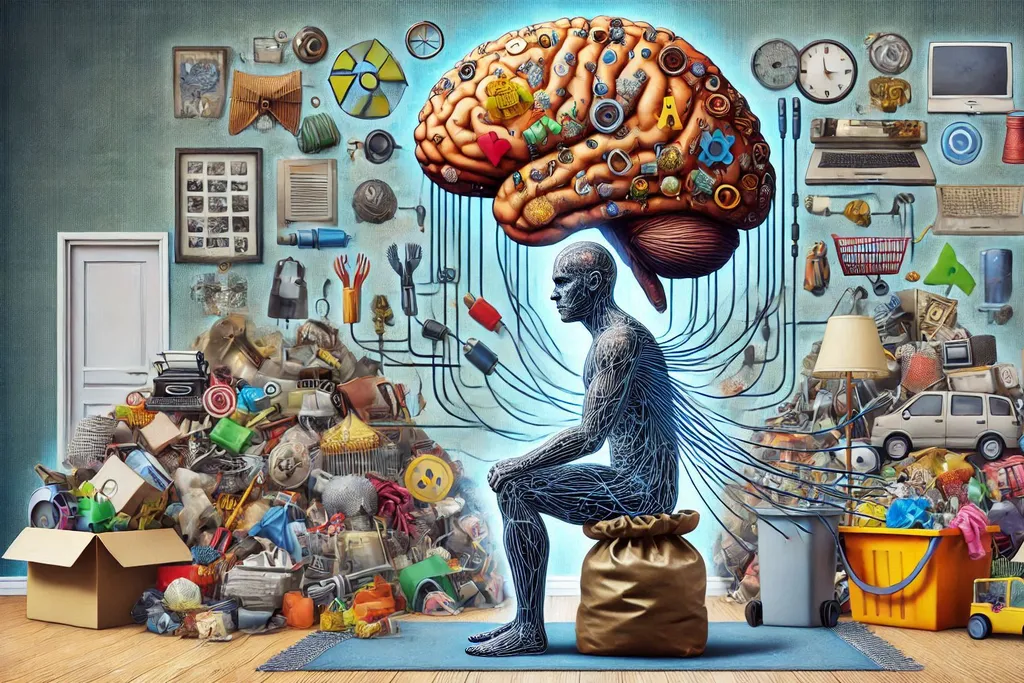
The study provides insight of cognitive-behavioral therapy (CBT) on hoarding disorder by examining its impact on brain activity.

Researchers have long suggested that a Mediterranean diet increases life expectancy but is it really that good?

Study reveals that the tongue reacts to ammonium chloride via the same protein receptor responsible for signaling sour taste.
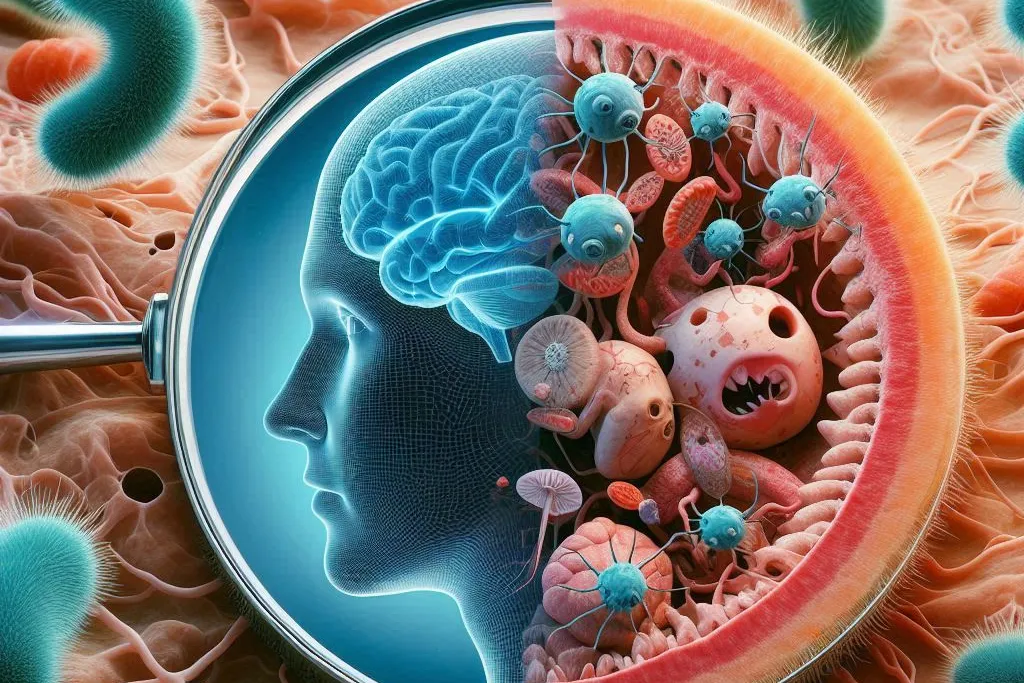
Findings in Folia Parasitologica highlight connection between certain infections, and personality traits, independent of overall health.
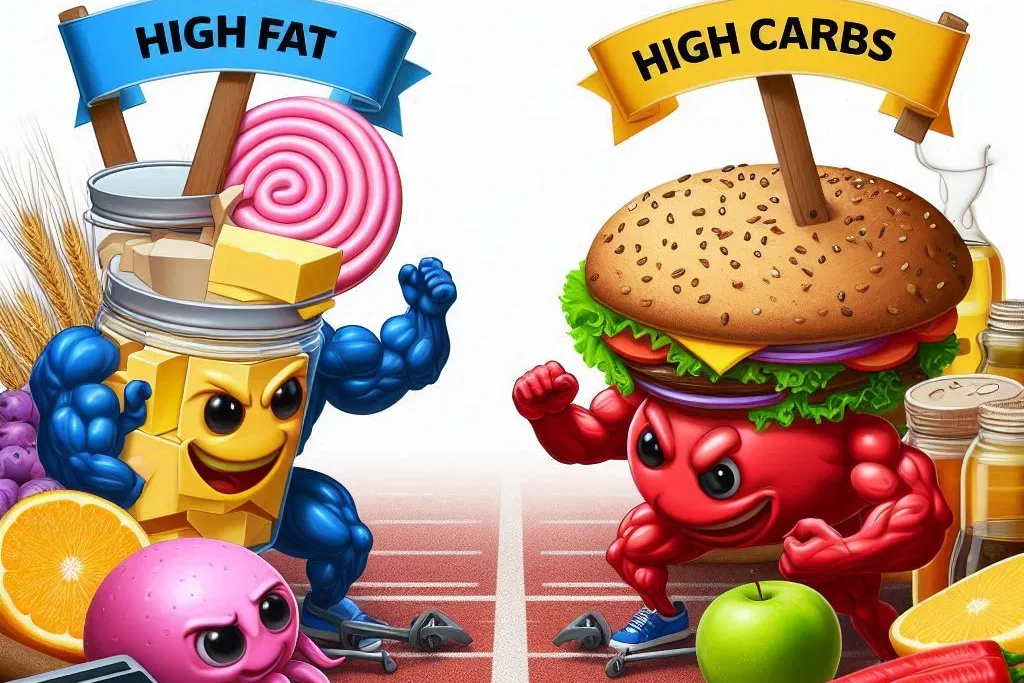
Which approaches is most effective for weight loss? Is there a difference at all when it comes to cardiovascular risk factors or diabetes?

In 2021, global centenarians numbered approximately 573,000, with United Nations estimates projecting a sharp increase to 3.7 million by 2050.